SUPPORT FOR CHILDREN IN THE CENTRAL OHIO AREA
Play Therapy
What is Play Therapy?
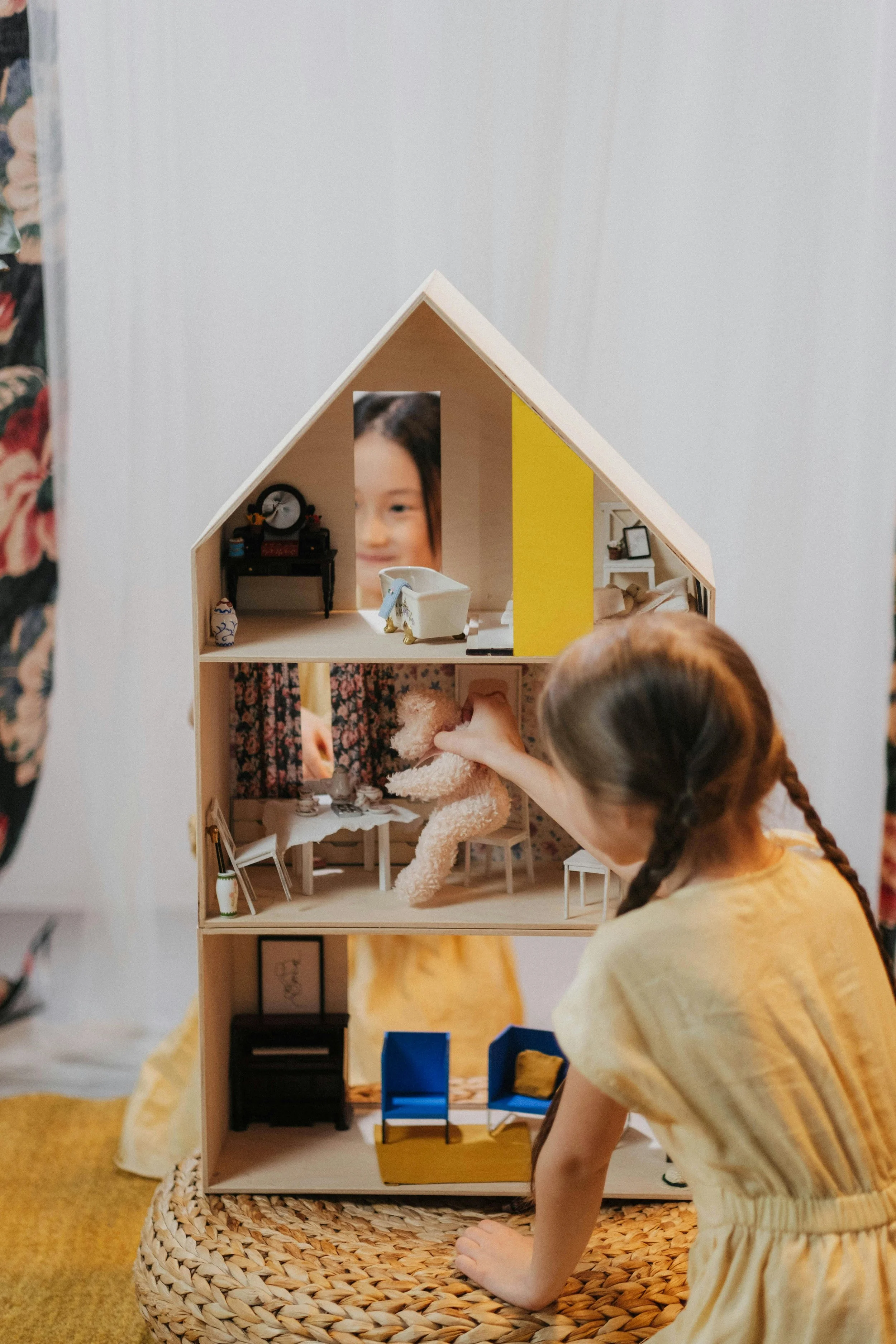
Play therapy is a developmentally appropriate, evidence-based approach that allows children to process their experiences through their natural language—play.
Play therapy is to children what counseling is to adults.
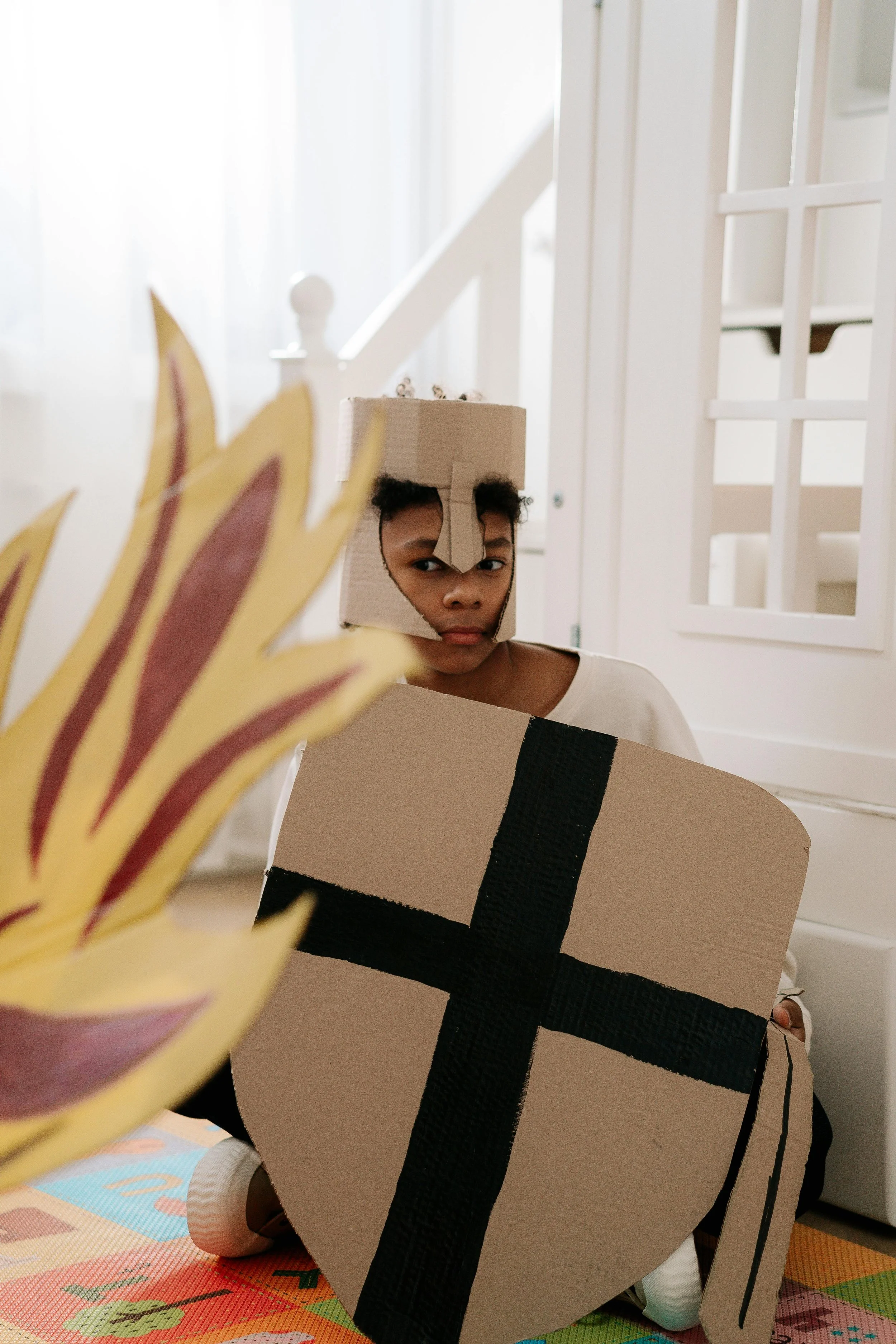
Rather than relying on words alone, children use play to express thoughts, feelings, and experiences that may be difficult to put into language. Toys become their words, and play becomes the language through which their inner world is communicated.
In play, children often:
Revisit meaningful themes
Experiment with different roles and outcomes
Recreate big feelings through pretend play
Research in child development and neuroscience continues to show that play is a primary way children regulate emotions, make meaning of experiences, and integrate what is happening in both their inner and outer worlds. Through this work, children are able to express, process, and begin to organize their experiences in a way that feels safe and developmentally attuned.
You’re ready to help your child build confidence, flexibility, and self-regulation.
WHAT SESSIONS LOOK LIKE
When your child is with me, I am actively engaged—reflecting emotions, modeling nervous system regulation, and supporting them in staying with and moving through challenging feelings at a pace that feels safe and manageable.
Within the safety of the therapeutic relationship, your child is able to show up exactly as they are. Over time, they begin to try on new ways of coping, connecting, and responding—supported through moments of attunement, co-regulation, and repair when things feel hard.
Rather than rushing or directing the process, I follow your child’s lead while gently supporting growth in emotional awareness, flexibility, and regulation. These experiences gradually become internalized and begin to show up in everyday life at home, school, and in relationships.
What Your Child Can Gain
Improve their ability to move through big emotions
Strengthen communication and self-expression
Develop confidence and self-awareness
Deepen the parent-child relationship
FREQUENTLY ASKED QUESTIONS ABOUT PLAY THERAPY
FAQs
-
Play therapy is typically most effective for children ages 3 through 12, when play is the primary way they communicate thoughts, feelings, and experiences.
For older children or teens, I may integrate more talk-based or expressive approaches depending on their needs and developmental stage. If you’re unsure whether your child is a good fit, we can always talk it through together in a consultation.
-
Every child is unique and moves through therapy at their own pace, so timelines can vary. That said, research suggests that many children begin to reach their therapy goals in about 20 sessions. I typically recommend weekly sessions at the start of treatment so your child has time to feel comfortable, build trust, and develop a strong therapeutic connection. Consistency is important, as regular attendance helps support emotional safety and progress in therapy. As we continue working together, we will check in regularly to determine the session frequency and overall pace that best supports your child’s needs and your family’s goals.
-
In sessions, I respect children’s need for privacy and do not usually share specific details about what your child says, plays, or does. Having a safe, confidential space helps children feel comfortable being themselves and supports meaningful growth. That said, I will keep you informed about approaches I’m using and the general themes or skills your child is working on.
Your child’s safety is always my top priority. If your child shares something that suggests they or someone else may be in immediate danger, I will contact you right away and we will work together to create a plan to keep everyone safe. As a mandated reporter, I am legally required to report any concerns about abuse or neglect to Child Protective Services.